Buyers + Money
By NJ Johnson | Published July 15, 2026When the reno in the fancy neighborhood is worth inheriting
A renovated home allows a buyer to avoid construction, uncertainty and months of decisions. But not every renovation deserves the premium attached to it.
The central question is not whether the home looks new. It is whether the renovation solved the property’s difficult problems well—and whether the buyer would have made substantially similar choices.
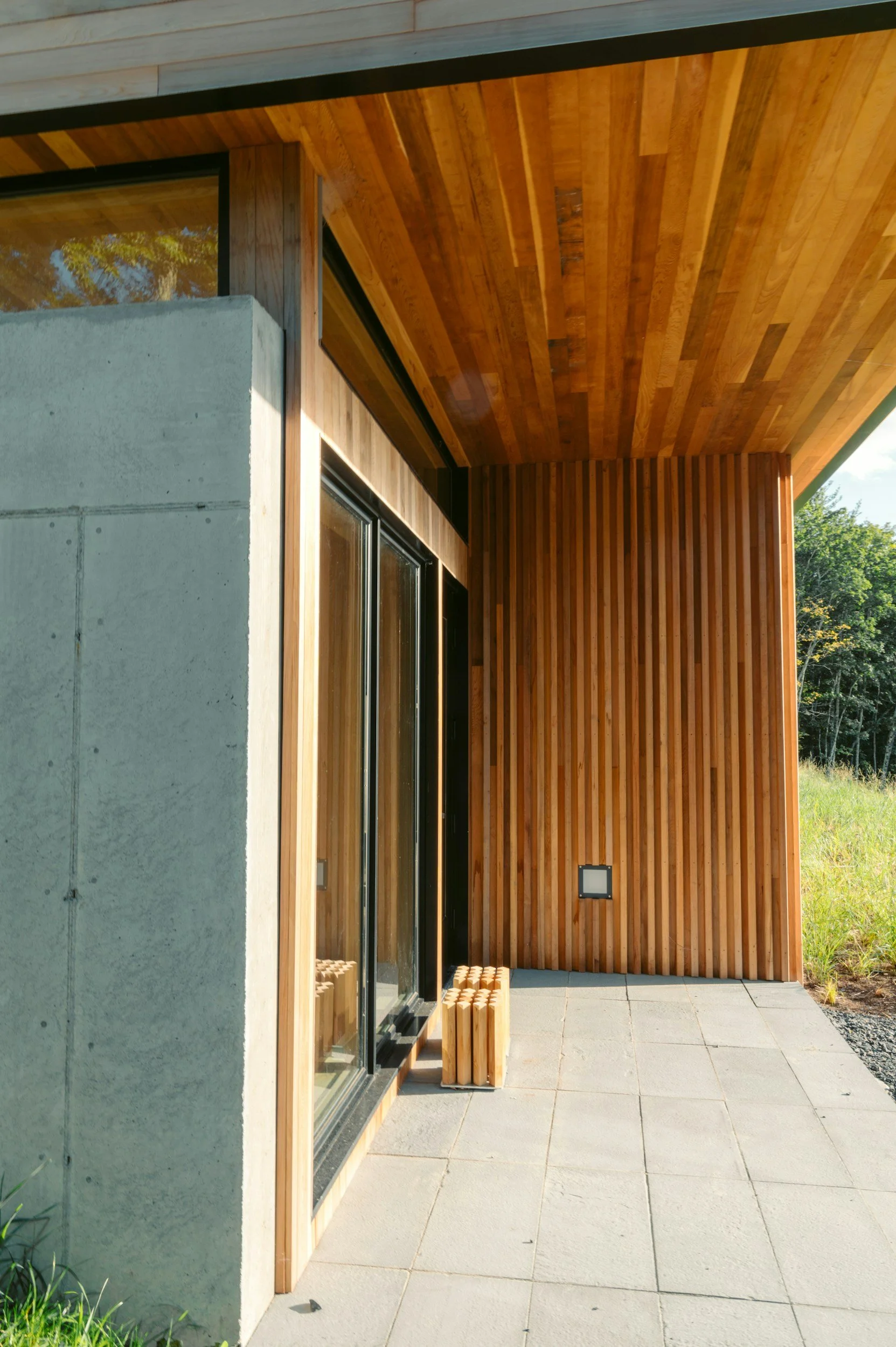
A renovation is most valuable when it improves elements that are expensive or disruptive to change: floor plan, ceiling height, structural systems, electrical capacity, plumbing, windows, roofing, waterproofing, drainage and the home’s relationship to its lot. Permitted additions, thoughtfully created indoor-outdoor space and a layout suited to current living patterns may also justify a meaningful premium.
Cosmetic improvements require more restraint. New finishes photograph well, but the buyer may be paying a retail premium for another owner’s taste. A fashionable kitchen does not compensate for poor natural light, awkward circulation, traffic exposure or a compromised lot. Those characteristics remain after the finishes age.
Documentation matters as much as appearance. Buyers should investigate permits, plans, warranties, contractor information and final approvals. Newport Beach requires permits and inspections for applicable construction, and properties within the coastal zone may involve additional development rules. Approximately 47 percent of the city lies within that zone, although requirements and exclusions vary by property and project. (City of Newport Beach)
The absence of documentation does not automatically mean poor workmanship, particularly in an older home. It does create uncertainty: Was structural work reviewed? Were additions included in the represented square footage? Could later alterations require correction? Will the insurer or lender ask questions the seller has not addressed?
Price is the final test. The right comparison is not simply the renovated home versus an unrenovated sale. A buyer should consider the cost of the alternative property, realistic construction expense, design and permit costs, financing or carrying costs, contingency reserves, and the value of the time and disruption avoided.
A renovation is usually worth inheriting when three conditions are present:
The underlying location and lot are desirable.
The work addressed difficult improvements with quality and proper documentation.
The premium is reasonable compared with reproducing the result.
The best renovated purchase is not necessarily the newest-looking home. It is the home where the previous owner absorbed the inconvenience and execution risk—without asking the next buyer to overpay for it.