Financing
Cheap money may be an unsteady basis for your next move.
By NJ Johnson | Published October 20, 2026
The 3% mortgage left behind more than inexpensive debt. It left behind an expectation that expensive borrowing would eventually give way to something familiar.
That expectation deserves a hard look. Buyers should prepare for borrowing costs to remain elevated, with meaningful risk of moving higher. Waiting for cheap financing to return increasingly looks like a bet against the conditions setting the price of money.
Before real estate, I watched interest rates while advising on bond issuances. Borrowing costs shaped the economics of a transaction, sometimes before the borrower had adjusted expectations. I bring that same discipline to property decisions: examine what drives the financing, then decide whether the transaction works.
The pandemic lows had extraordinary support. Freddie Mac’s average 30-year mortgage reached 2.65% in January 2021. The Federal Reserve also bought large volumes of Treasuries and mortgage-backed securities through late 2021, supporting unusually accommodative financing conditions. That monthly payment became a benchmark that many buyers still struggle to abandon.
Today, several forces point toward a more expensive borrowing environment.
Inflation still demands compensation. Consumer prices rose 3.7% over the year through September 2026. Energy drove much of that month’s increase, so one report does not establish a permanent trend. Still, investors lending money for years must consider purchasing power. Recent price pressure offers little reason to accept the returns available in 2021.
The government needs substantial financing. The Congressional Budget Office projects a $1.9 trillion federal deficit in 2026 and debt held by the public reaching 120% of GDP by 2036. Government borrowing competes for available capital. Federal Reserve researchers have linked higher long-term risk premiums to concerns around fiscal sustainability and disruptive supply shocks. Cheaper financing becomes harder when lenders require more compensation for risk.
Economic growth does not automatically deliver lower rates. Fannie Mae’s October forecast expects economic growth to continue in 2027 while projecting the 10-year Treasury around 5.3% and the average 30-year mortgage rate around 7.5%. Forecasts are not guarantees, but they offer scant support for delaying a sound purchase solely in hope of cheap debt.
Nor can buyers simply wait for the Fed. Mortgage pricing reflects long-term bond yields and mortgage-market risk, not only the Federal Reserve’s overnight rate. Dallas Fed research found mortgage rates changed little despite 175 basis points of Fed cuts from September 2024 through May 2026. A lower policy rate and a lower home-loan rate are related, but they are not the same thing.
Taken together, the evidence suggests a durable adjustment in borrowing costs. Research from the San Francisco Fed finds that several forces which pushed rates down before the pandemic have weakened, while fiscal pressures now pull in the other direction. Treating every increase as temporary risks mistaking unusually favorable financing for a permanent entitlement.
For buyers, the right response is not panic. It is discipline: evaluate the property, payment, liquidity, and offer structure together. For sellers, it means pricing and strategy must account for the buyer’s financing burden.
If borrowing costs have stalled your next move, let’s examine the decision. I can help you assess the property and negotiation alongside lender financing scenarios.
Cheap money shaped the last market. A sound strategy for this one should stand on its own.
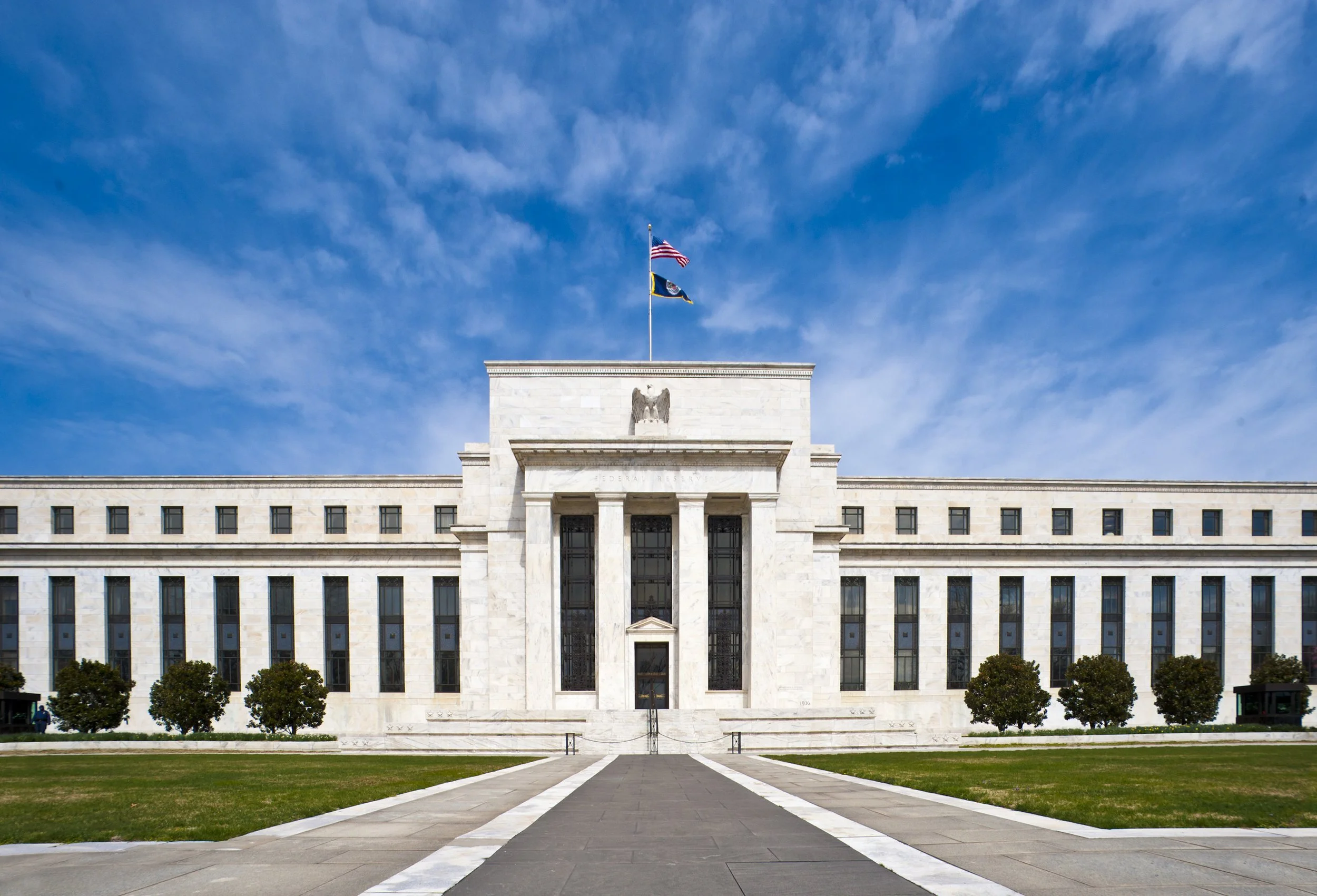
Photo credit: Board of Governors of the Federal Reserve System. (2011, March 29). Eccles Building [Photograph; Britt Leckman]. Public domain. Cropped for display.
